About
Us
Curriculum &
Resources
Get
WILD
Just For
Educators
Sponsors Evaluation Service
Learning
Early
Childhood
Project WILD SitemapSearch Project WILD
Early Childhood
Project WILD K-12 Curriculum and Activity Guide
Project WILD K-12 Aquatic Curriculum and Activity Guide
Proyecto WILD
Standards Correlations

« Back Home

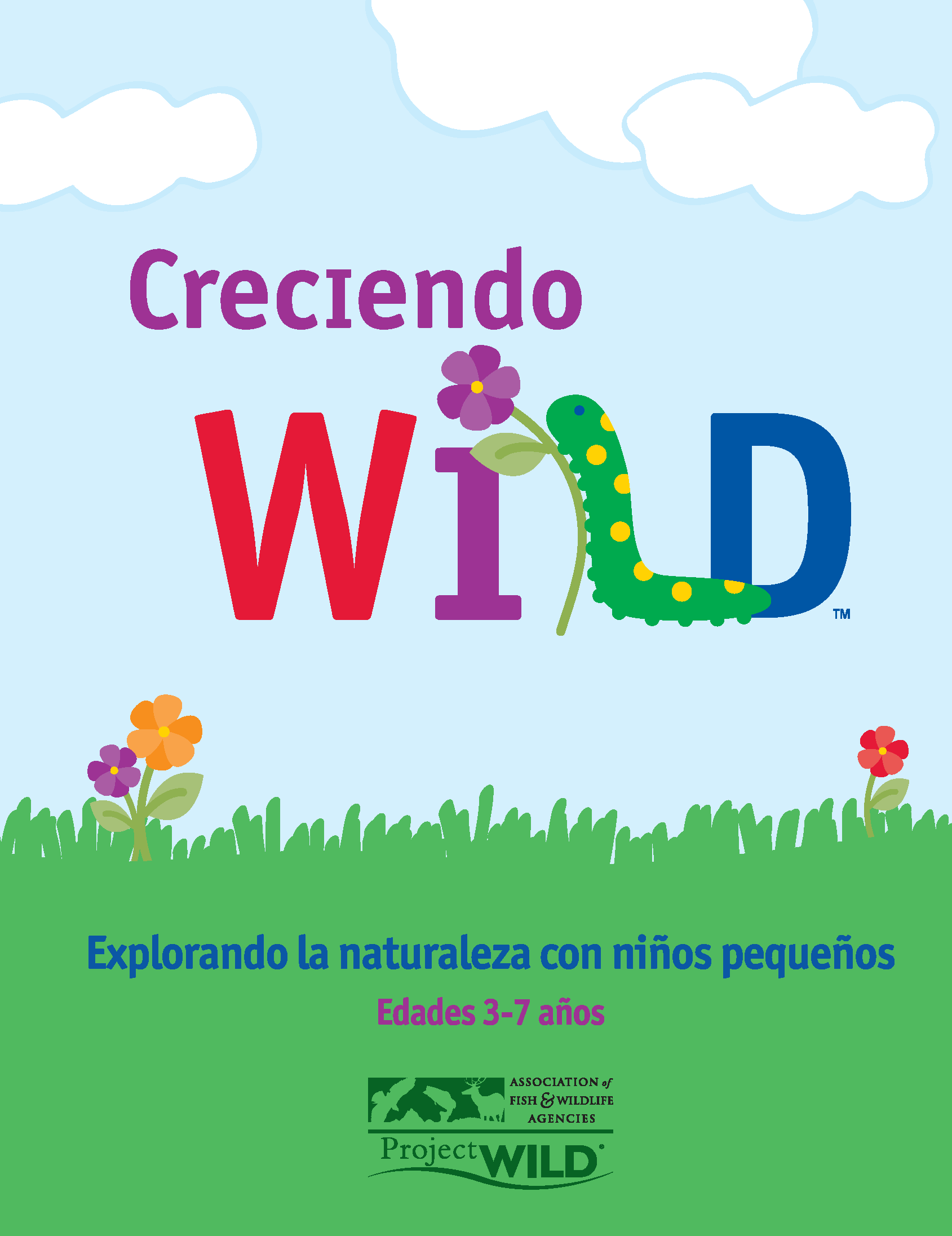
Over the past few years Project WILD has been working with writers and early childhood experts to produce a national early childhood guide called Growing Up WILD: Exploring Nature with Young Children which is now available for educators of young children! To visit the new Growing Up WILD website visit www.projectwild.org/GrowingUpWILD.htm.

Growing Up WILD features new activities designed to stimulate young children in new and exciting ways while connecting them to nature and many of its wonders.

Growing Up WILD is a national early childhood initiative that builds literacy skills and environmental appreciation among early learners through participation in engaging wildlife-based educational activities. 


The Project WILD K-12 Curriculum and Activity Guides contain many activities designed for early childhood education. Growing Up WILD: Exploring Nature with Young Children activities include:

  • First Impressions
    Children Combine movement and math to show how they think and feel about animals.

  • Ants on Parade
    Children go outside to observe ant behavior and learn insect characteristics.

  • Spider Web Wonders
    Children learn about spiders and spider webs.

  • Looking at Leaves
    Children practice their observation skills by comparing leaves.

  • In a Grasshopper's World
    Children observe grasshoppers in their natural habitat and study them in the classroom.

  • Wiggling Worms
    Children observe and learn about earthworms.

  • What's WILD?
    Children engage in stories comparing the lives of a wild and a tame animal, then sort animals into categories.

  • Wildlife is Everywhere!
    Children make observations and understand that wildlife is all around us.

  • Lunch for a Bear
    Children identify the kinds of foods that black bears eat by creating a plate of "bear food."

  • The Deep Blue Sea
    Children develop an awareness of oceans and ocean life.

  • Who Lives in a Tree?
    Children develop an awareness of trees and some of the animals that call them "home. "

  • Fishing Fun!
    Children engage in a dramatic play fishing game and learn about fish.

  • Hiding in Plain Sight
    Children play a game of hide and seek with small animal replicas to learn an important adaptation in many animals.

  • Tracks!
    Children explore animal tracks and make and measure tracks of their own.

  • Grow As We Go
    Children explore the life cycles of familiar wildlife and understand that all living things grow and change.

  • Backbone Bonanza
    Children learn about vertebrates and some characteristics that distinguish them.

  • Bird Beak Buffet
    Children learn about the special functions of bird beaks.

  • Terrific Turkeys
    Children learn about wild turkeys.

  • Owl Pellets
    Children dissect an owl pellet and learn about owls.

  • Oh, Deer!
    Children explore components of habitat in a physical activity.

  • Seed Need
    Children explore seeds as a food source for people and animals and learn how animals disperse seeds.

  • Show Me the Energy!
    Children discover that all animals, including people, depend on plants as a food source, either directly or indirectly, and that food energy comes from the sun.

  • Aqua Charades
    Children explore the importance of water for people, animals and plants.

  • Wildlife Water Safari
    Children discover water resources for local wildlife and create a field notebook.

  • Field Study Fun
    Children investigate a field study plot to observe plant and animal interactions over time.

  • Wildlife as Symbols
    Children explore how wild animals are used as symbols for a variety of purposes.

  • Less is More
    Children consider ways they can use less of the earth's resources.

Contact your Project WILD Coordinator to inquire about your state's early childhood offerings.

For further information about early childhood education, check out www.earlychildhood.com, www.nhsa.org, or www.naeyc.org.

   
back to top